
As the sun-dappled hills of Italy turn to gold in the crisp air of autumn, a cherished tradition awakens across the countryside: la vendemmia, the grape harvest. Happening from late August through early October, this annual celebration ushers in the harvest season while also embracing the joys of family, the bonds of community, and the timeless cycles of nature.
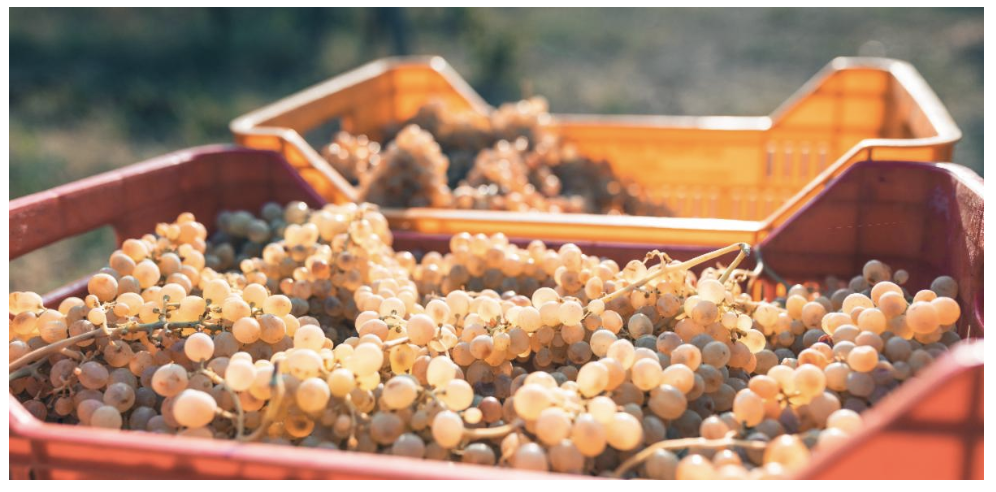
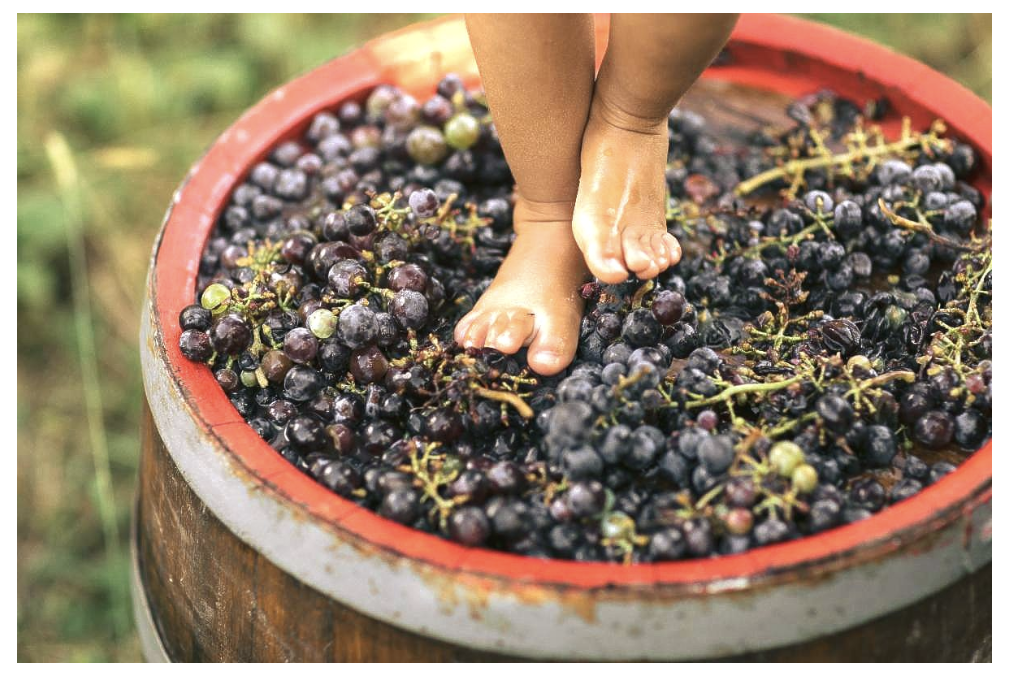
Large wineries may approach the harvest with precision and careful planning, but for countless Italian families, la vendemmia remains an intimate, personal affair. Italian law allows families to produce wine for personal use, making it possible for generations to carry on this treasured tradition. Thanks to this, in regions such as Tuscany, Veneto, or Sicily, the vineyards come alive with grandparents, parents, children, and friends all gathering to hand-pick grapes. Laughter rings through the rows of vines, stories are shared, and a profound connection is felt with the land that has nurtured generations. Harvesting by hand, often with small shears and wicker baskets, ensures only the ripest grapes are selected, honoring both quality and tradition. In some families, children are still invited to stomp the freshly picked grapes with their bare feet. This playful, romanticized image of la vendemmia lingers even today, even though machines now do most of the work.
The day’s labors are rewarded with festive family meals, the highlight of the season. Long tables overflow with pasta, roasted meats, fresh cheeses, and, naturally, bottles of the previous year’s wine. Guests often bring a dish of their own, ensuring that everyone is represented at the table and honored for their contribution. Each dish tells a story of the land and the people who tend it, and every sip of wine is a toast to the hard work, love, and community that make it possible. These gatherings go far beyond food: they are treasured moments for teaching the younger generation the value of patience and effort, and for celebrating the harvest as a shared triumph.
Joining in la vendemmia offers a chance to reconnect with nature in a tangible way. You feel the soil beneath your hands, hear the snip of shears cutting grape clusters, and inhale the earthy aroma of crushed grapes. These experiences immerse you in the heartbeat of the land, and for families and visitors alike, they teach that wine is a story shaped by the soil, the climate, and the hands that nurture the vines.
Perhaps most touching is how la vendemmia preserves a sense of heritage. Children absorb lessons about care, patience, and community simply by participating in the harvest. These customs are passed down through generations, ensuring that the essence of Italian winemaking (and the warmth of family gatherings) endures. Visitors lucky enough to join in are welcomed into this tradition, gaining a rare glimpse of a way of life that has remained largely unchanged for centuries.
Once the grapes are gathered, the journey from vine to wine begins. The grapes are crushed and destemmed to release their juice, known as the must, which is then left to ferment in tanks where yeast transforms the sugars into alcohol. Depending on the style of wine, it may age in oak barrels or be blended with other varieties. Some regions employ the appassimento (withering) method, drying grapes to intensify flavors, resulting in rich, complex wines like Amarone della Valpolicella.
In spring, the celebration continues with the release of vino novello, or new wine. Light, fruity, and ready to enjoy shortly after fermentation, vino novello offers a fresh taste of the previous year’s harvest. Its debut is often celebrated with tastings and communal festivities, echoing the joy of the harvest itself.
For travelers to Italy, witnessing la vendemmia is a wonderful way to feel the country’s culture come alive. Across the hills and villages, you can see families gathering in their vineyards, hear the laughter that carries through the rows of vines, and sense the deep connection between people and the land. Even as an observer, the atmosphere of the harvest season is contagious, filled with joy, tradition, and gratitude.