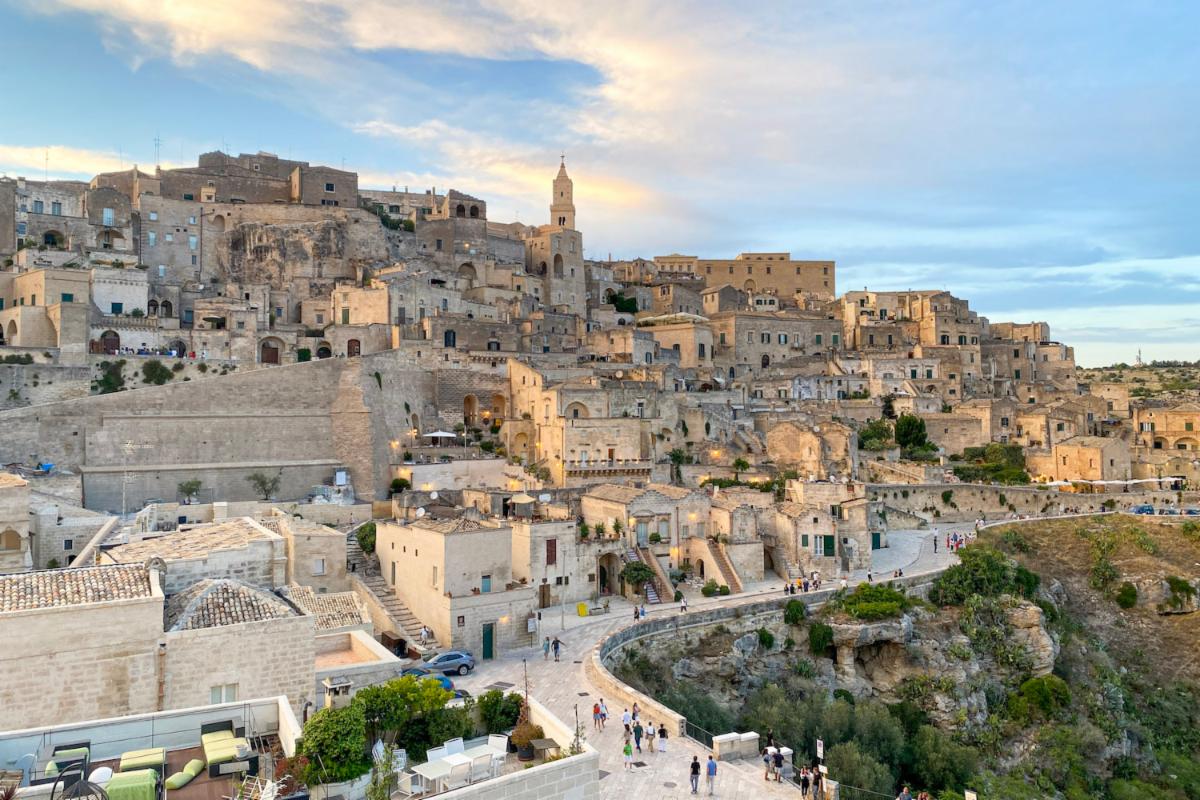
There’s a hush that settles over Italian towns and cities on Sunday mornings. Shops are closed, the streets grow quiet, and a fragrant warmth begins to rise from every kitchen window. This is the sacred hour of il pranzo della domenica, or Sunday lunch: a beloved tradition that continues to nourish both body and soul across generations.
This tradition has its roots intertwined with the weekly ritual of attending Mass. For centuries, families have gathered after church, stepping out of their homes dressed in their best clothes, as Sunday was traditionally the day people were seen in public, a time to greet neighbors, catch up with friends, and be part of the community.

In Italy, Sunday lunch is not just a meal, it’s an event. Families gather, often in the home of i nonni, the oldest matriarch or patriarch, where the table has seen decades of meals, conversations, and clinking glasses. Guests never arrive empty-handed. It’s common (expected, even) for someone to bring a tray of pasticcini, or pastries, from the local pastry shop, neatly wrapped into colorful paper and tied with string. Others might contribute a bottle of wine, a homemade dessert or preserve, or even fresh bread wrapped in a cotton cloth. The act of bringing something is part of the unspoken language of care and community.
Lunch begins slowly, often well past noon, and unfolds over the course of several hours. There is no rush. Time is stretched and savored like strands of fresh tagliatelle. It begins with antipasti, perhaps slices of prosciutto, olives, or crostini, then a primo piatto, or first course, such as handmade ravioli, risotto, or pasta al forno (oven-baked pasta). The secondo follows, often a roast or stew, something that has simmered patiently all morning, accompanied by seasonal vegetables. In many families, the same dishes are lovingly prepared every Sunday, recipes passed down and repeated like a comforting ritual that links past and present.
At this point, belts are loosened and chairs reclined. Fruit and nuts may appear, followed by dessert: those little pasticcini arranged on porcelain plates (or, more often, straight out of the tray!) Then comes a strong espresso served in tiny cups. If you’re lucky, someone brings out a bottle of limoncello, grappa, or amaro for a proper digestivo.
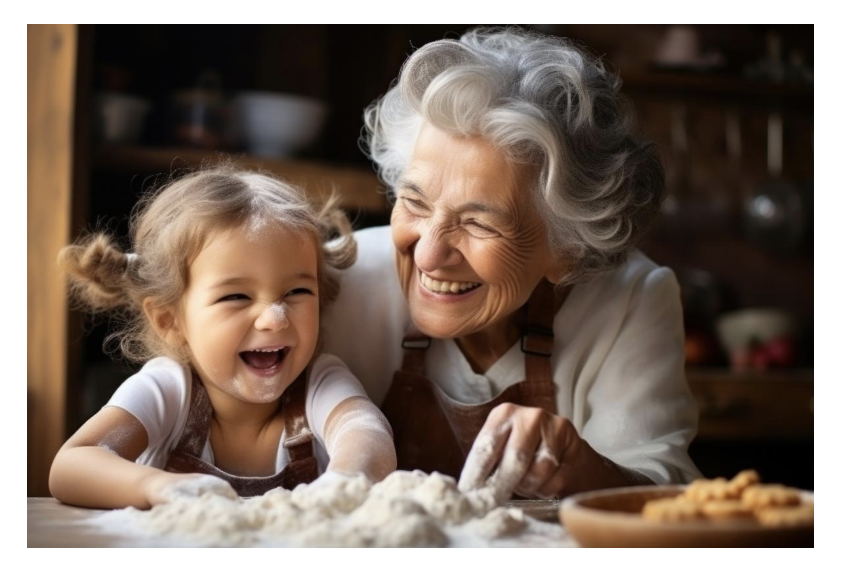
But the food is only half the story. The heart of Sunday lunch is togetherness. It’s where stories are retold, arguments gently reignited from the week before, and generations reconnect. Children learn family recipes not from cookbooks, but from watching nonna’s hands at work. Laughter and loud voices are welcome. Interruptions are part of the rhythm. And when lunch finally ends (sometimes by late afternoon) there’s a deep sense of satisfaction, not just from the richness of the meal, but from the ritual itself.
Even today, when work and modern life threaten to chip away at tradition, Sunday lunch endures. It may be simpler now, with fewer courses or store-bought pasta, but the essence remains. Some families now gather in trattorias or countryside agriturismi (farm-to-table restaurants) to keep the custom alive. Others adapt by inviting friends in place of family, or swapping roles in the kitchen. What matters is the pause: the commitment to share time, conversation, and good food.
So if you ever find yourself in Italy on a Sunday, and someone invites you to lunch, say yes. You won’t just be eating. You’ll be stepping into a centuries-old dance of hospitality, heritage, and love.